

blog
DMC Processes for Treatment of Oil and Gas Condensate

DMC process family and the role of IVKAZ catalyst in hydrocarbon desulfurization
| Introduction Sulfur compounds, particularly hydrogen sulfide (H₂S) and mercaptans, are major challenges in the processing of crude oil, gas condensate, and other hydrocarbon feeds. They can cause unpleasant odor, increase equipment corrosion, reduce final product quality, and create limitations in downstream processing. The DMC process family is designed for the treatment of oil and gas condensate to reduce sulfur compounds and help achieve the required product specifications. Using IVKAZ catalyst, these processes enable effective treatment of H₂S and mercaptans under suitable operating conditions and can be applied to a wide range of feeds, from light and heavy oils to sour gas condensates. |
|---|
DMC Process Family
The DMC family includes the following process configurations:
| Process | Main Feed | Primary Application |
|---|---|---|
| DMC-1 | Light oil and gas condensate | Removal of H₂S and light C₁–C₂ mercaptans |
| DMC-1M | Heavy oil and gas condensate at the production site | Reduction of light mercaptans and hydrogen sulfide |
| DMC-1MA | Oil with high H₂S content | Treatment of feeds with high hydrogen sulfide concentration |
| DMC-2 | Light oil and gas condensate | Removal of H₂S and light mercaptans without direct oil/air contact |
| DMC-3 | Oil and gas condensate with high mercaptan content | Simultaneous treatment of H₂S and light/heavier mercaptans |
DMC-1: Treatment of Light Oil and Gas Condensate
DMC-1 is designed for the treatment of light oils and gas condensates containing hydrogen sulfide (H₂S) and low-molecular-weight light mercaptans.
| Component | Approx. Inlet | Approx. Outlet |
|---|---|---|
| Hydrogen sulfide (H₂S) | ~50 ppm | ~5 ppm |
| Light mercaptans C₁–C₂ | ~600 ppm | ~20 ppm |
The process is based on oxidation of sulfur compounds in the presence of IVKAZ catalyst, converting mercaptans to more stable compounds.
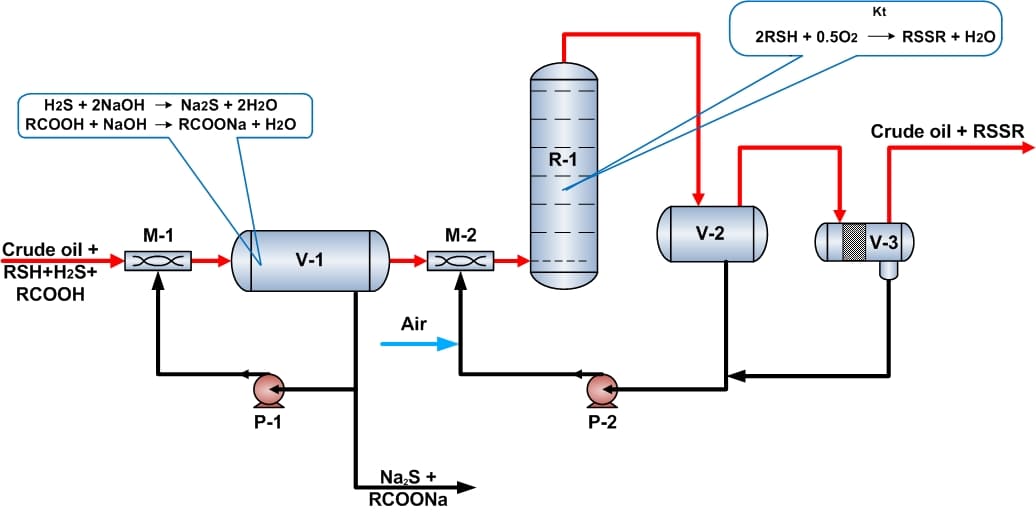
Figure 1. DMC-1 process schematic for mercaptan oxidation and treatment of light oil and gas condensate.
DMC-1M: Treatment of Heavy Oil and Gas Condensate at the Production Site
DMC-1M is designed for treatment of heavy oils and gas condensates at oil-production sites. The technology is intended particularly for removal of light C₁–C₂ mercaptans and hydrogen sulfide (H₂S).
| Component | Approx. Inlet | Approx. Outlet |
|---|---|---|
| Mercaptans C₁–C₂ | ~300 ppm | ~20 ppm |
| Hydrogen sulfide (H₂S) | ~50 ppm | ~5 ppm |
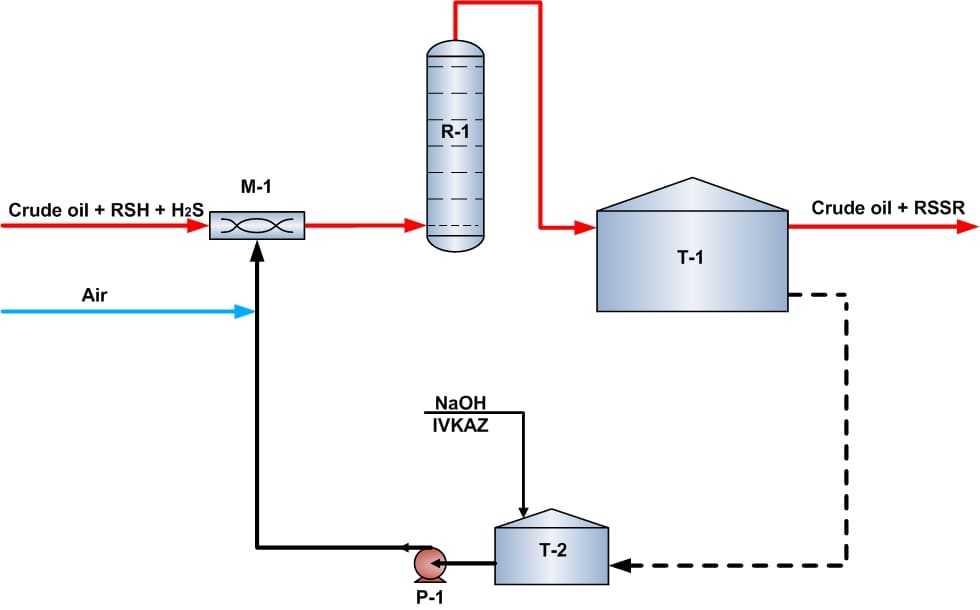
Figure 2. DMC-1M process flow diagram for treatment of heavy oil.
DMC-1MA: Treatment of Oils with High Hydrogen Sulfide Concentration
DMC-1MA is a process configuration for treating oils with high hydrogen sulfide (H₂S) content. It is based on liquid-phase oxidation of sulfur compounds using aqueous ammonia solutions containing IVKAZ catalyst. In this technology, hydrogen sulfide in the oil is converted through oxidation reactions to more stable compounds, thereby reducing its concentration in the final product.
| Component | Approx. Inlet | Approx. Outlet |
|---|---|---|
| Hydrogen sulfide (H₂S) | ~500–700 ppm | <5 ppm |
This performance makes DMC-1MA suitable for sour oil feeds with high H₂S content.
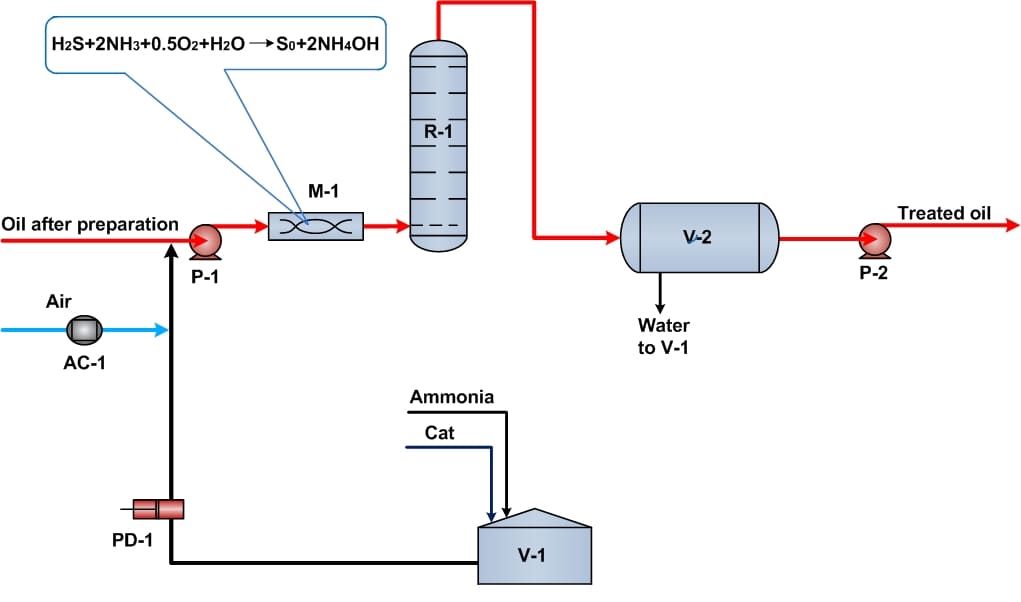
Figure 3. DMC-1MA process flow diagram for treatment of oils with high hydrogen sulfide content.
DMC-2: Light Oil Treatment Without Direct Contact Between Oil and Air
DMC-2 is developed for treatment of light oils and gas condensates containing hydrogen sulfide (H₂S) and light C₁–C₃ mercaptans. A key feature is that the hydrocarbon stream does not come into direct contact with air. Oxidation takes place in the alkaline-solution regeneration section, protecting the hydrocarbon feed from direct air contact.
Industrial background
DMC-2 units were brought into operation through modification and optimization of the DMC-1 process at the Tengizchevroil complex in Kazakhstan.
General process mechanism
Mercaptans are extracted into the alkaline solution.
The mercaptide-rich solution is transferred to the regeneration section.
In the presence of air and IVKAZ catalyst, mercaptides are converted to disulfides.
The regenerated caustic solution is returned to the process.
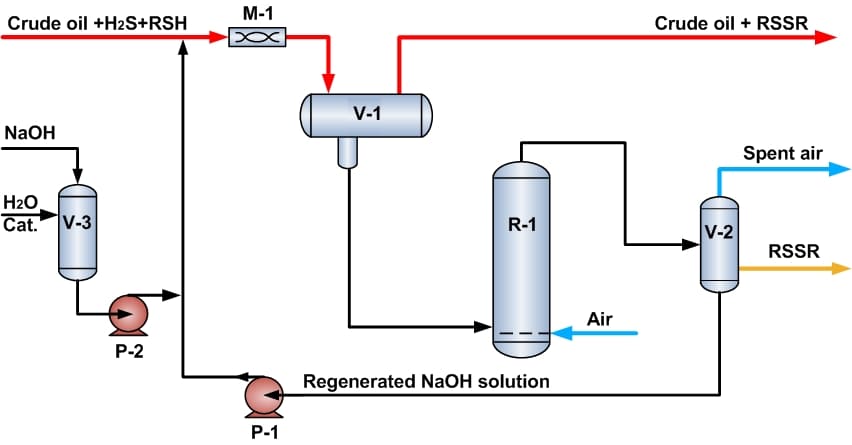
Figure 4. DMC-2 process flow diagram for removal of H₂S and light mercaptans from oil and gas condensate.
DMC-3: Treatment of Feeds with High Mercaptan Content
DMC-3 is designed for treatment of oil and gas condensate with high levels of sulfur compounds. The technology can treat hydrogen sulfide together with both light and heavier mercaptans.
| Component | Approx. Inlet | Approx. Outlet |
|---|---|---|
| Hydrogen sulfide (H₂S) | ~100 ppm | ~5 ppm |
| Mercaptans C₁–C₄ | ~4000 ppm | ~50 ppm |
Process structure
DMC-3 generally consists of two principal stages:
Stage 1 – removal of light mercaptans: light mercaptans are extracted using an alkaline solution and separated from the hydrocarbon stream.
Stage 2 – oxidation of remaining mercaptans: heavier mercaptans are converted in the presence of IVKAZ catalyst and oxygen to stable disulfides.
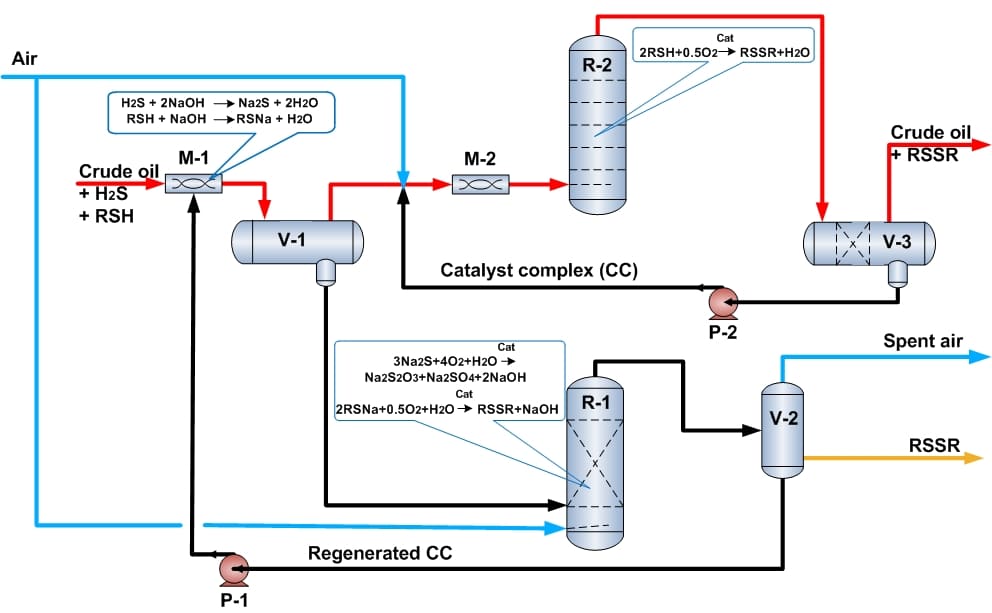
Figure 5. DMC-3 process flow diagram for treatment of oil and gas condensate with high mercaptan content.
IVKAZ Catalyst in DMC Technologies
IVKAZ is a modified phthalocyanine catalyst with high efficiency for sulfur-removal processes. According to the source material, it is used as an alternative to phthalocyanine catalysts applied in Merox WS and ARI-100-EXL technologies.
Applications listed in the source material
| Application | Purpose |
|---|---|
| Oil and gas condensate treatment | Removal of hydrogen sulfide (H₂S) and mercaptans. |
| LPG and liquefied hydrocarbon gas treatment | Reduction of sulfur compounds to meet required product specifications. |
| Straight-run gasoline and FCC gasoline treatment | For feeds with high mercaptan-sulfur content. |
| Light hydrocarbon fraction treatment | Removal of light mercaptans and hydrogen sulfide. |
| Pentane-hexane fraction treatment | Removal of mercaptans and organic sulfur compounds. |
| Alkaline wastewater treatment | Oxidation of sulfur compounds present in spent caustic. |
| Heavy oil treatment | Ammonia-catalytic treatment for removal of H₂S and mercaptans. |
Technical Advantages of DMC Technology and IVKAZ Catalyst
Ability to treat different hydrocarbon feeds.
Effective reduction of H₂S and mercaptans.
No requirement for costly hydrogen-based treatment processes for these applications.
Applicability to crude oil, gas condensate, and light petroleum products.
Low catalyst consumption.
Compatibility with existing refinery units.
Summary
The DMC process family, together with IVKAZ catalyst, provides a set of specialized solutions for treating oil, gas condensate, and hydrocarbon streams containing sulfur compounds. The range of DMC configurations allows the process to be selected according to feed type, hydrogen sulfide concentration, mercaptan content, and required final-product specifications.